
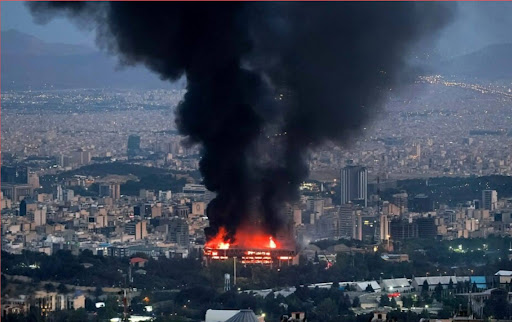
Israel’s ongoing military campaign against Hezbollah in Lebanon faced fresh scrutiny on Saturday after Lebanon’s health ministry reported that 31 paramedics had been killed in Israeli airstrikes. Israeli officials accused Hezbollah of using civilian ambulances to transport weapons and fighters, but offered no credible independent evidence to support the claim. Human rights observers contested the allegation, raising serious questions about the targeting of medical responders in a conflict that had already killed more than 800 Lebanese civilians and displaced 850,000.
The Lebanon front was part of a broader regional war that had now been raging for nearly three weeks since it erupted on February 28. While the main US-Iran conflict dominated headlines, Israel’s parallel campaign against Hezbollah was inflicting devastating humanitarian costs on a country already on the edge of collapse. Israel said it was warning Lebanese civilians to evacuate before strikes and that there would be no letup in the campaign, but critics argued the targeting of paramedics crossed a serious line.
The broader war continued to escalate on all fronts on Saturday. US warplanes struck Kharg Island, Iran’s main oil export hub, for the second consecutive day. President Trump said in public remarks the facility had been effectively demolished. Iran launched ballistic missiles at the UAE, striking near Fujairah’s major oil port. Iranian commanders threatened strikes on any Gulf energy facility with American ties. Trump called on China, France, Japan, South Korea, and the UK to send warships to the Strait of Hormuz, which Iran had blocked since the start of the conflict.
Iran also continued firing rockets at Israel throughout Saturday, keeping pressure on multiple fronts simultaneously. Israeli warplanes conducted dozens of raids inside Iran, killing at least 15 people in an Isfahan factory strike. US Defence Secretary Pete Hegseth described Iran’s leadership as “desperate and hiding” and claimed the newly installed supreme leader had been wounded. Iranian officials confirmed Khamenei’s injury but said it was not serious. Analysts warned the regime remained intact and capable of sustaining a long fight.
The cumulative human cost of the conflict was staggering. More than 1,400 Iranians had been killed in the bombing campaign. Thirteen Israelis and roughly 20 Gulf residents had also died. The US embassy in Baghdad was struck overnight, and Americans in Iraq were ordered to leave. Six US troops died in a military aircraft crash in western Iraq. Oil prices were approaching $120 per barrel and threatening to rise further. With no diplomatic talks under way and every front active, the conflict showed no sign of entering a less destructive phase anytime soon.