
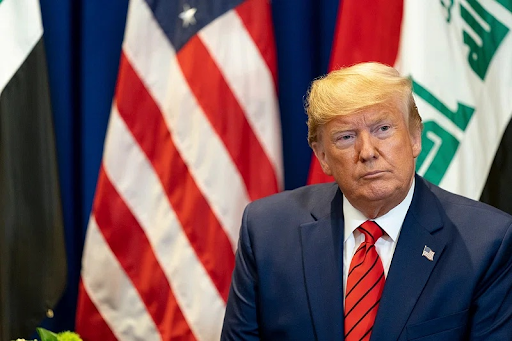
In a decision being hailed as a defense of the U.S. Constitution, a federal appeals court has slapped down the unilateral trade actions of Donald Trump, championing the primary role of Congress in setting tariff policy. The ruling against his use of the IEEPA is a powerful affirmation of the principle of separation of powers.
The court’s majority opinion effectively argued that the executive branch cannot use a vague declaration of “emergency” to seize powers explicitly granted to the legislative branch. The U.S. Constitution gives Congress the authority to “lay and collect Taxes, Duties, Imposts and Excises” and to “regulate Commerce with foreign Nations.” The ruling suggests Trump’s tariffs were an intrusion into this domain.
This judicial intervention serves as a critical check on the expansion of presidential power, a trend that has been growing for decades. By invalidating the tariffs, the court has signaled that there are legal limits to a president’s ability to act alone, even on the world stage.
The case’s progression to the Supreme Court means this debate is far from over. However, the appeals court has drawn a clear line in the sand, reinforcing the idea that major shifts in U.S. trade policy require legislative buy-in, not just an executive order based on a contested interpretation of an emergency powers act.