
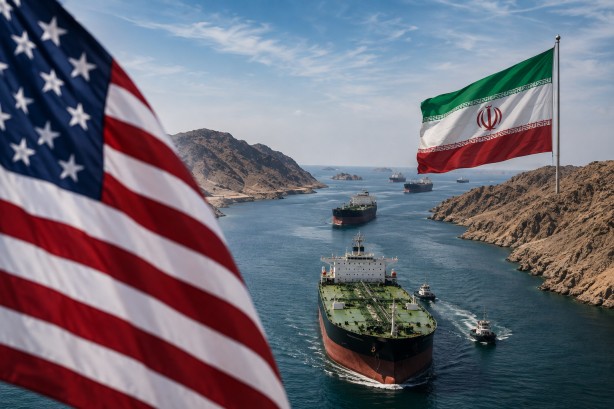
Negotiations between the United States and Iran regarding the reopening of the Strait of Hormuz are reportedly making headway, with a potential agreement anticipated in the next day or two. US Treasury Secretary Scott Bessent has conveyed optimism about the ongoing discussions with Tehran, suggesting that a resolution might be within reach shortly. The expected deal would permit commercial vessels to traverse the vital maritime passage toll-free, thereby upholding the principle of free navigation.
Qatar, acting as a significant mediator in these talks, has confirmed the circulation of a proposed de-escalation framework among the involved parties, highlighting the continued diplomatic efforts. The Strait of Hormuz is a pivotal corridor for global oil and energy transportation, and its disruption due to regional tensions has caused significant concern. The prospect of an agreement has already led to a decrease in oil prices, with analysts predicting further drops should normal shipping operations resume.
President Donald Trump recently announced the postponement of planned military actions against Iran, citing a desire to allow negotiation efforts to progress. He emphasized that any forthcoming agreement should address both the reopening of the strait and Iran’s nuclear program. This approach underscores the broader strategic goal of reducing regional instability while ensuring the security of energy supply routes.
Previously, a US-Iran understanding concerning the reopening of the waterway faltered due to disagreements over shipping routes, which subsequently reignited tensions. The current negotiations aim to overcome these past issues and establish a new agreement that facilitates the restoration of maritime traffic. The successful resolution of these talks is seen as crucial for maintaining stability in the region and securing the flow of global energy supplies.