
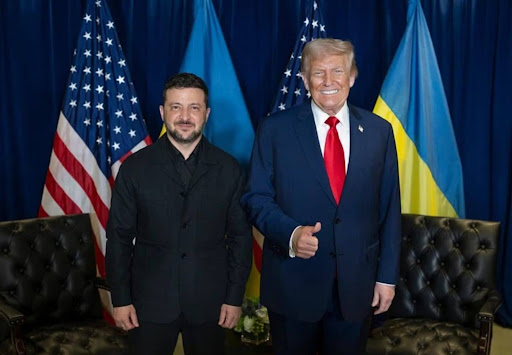
In the space of eight months, Ukraine went from being an ally whose drone defense proposal was quietly shelved by parts of the Trump administration to being the country that the United States urgently called for help when Iranian drones began killing Americans. The transformation reflects both the quality of Ukraine’s expertise and the cost of the political skepticism that delayed its application.
Ukraine’s counter-drone credentials are beyond dispute. The country has been fighting Iranian Shahed drones — deployed by Russia in massive quantities — throughout its war. The interception systems Kyiv developed in response are operationally proven, cost-effective, and specifically optimized for the Shahed design. No country has better tools for the problem now confronting American forces in West Asia.
The August White House briefing made this case explicitly and comprehensively. Ukrainian officials provided maps, intelligence warnings, operational data, and specific deployment recommendations. Zelensky personally advanced the proposal, framing it as a natural extension of the US-Ukraine security partnership. The warning about Iran’s improving drone capabilities was clear and well-supported.
The failure to act on the proposal is now acknowledged within the administration as a serious tactical mistake. Seven Americans are dead. Conventional counter-drone costs have mounted. The strategic situation facing US forces in West Asia reflects the gap between what was proposed in August and what was actually implemented.
Ukraine’s role in the response to that gap has been central and swift. Specialists deployed within 24 hours of the US request. Teams are active across the Gulf region. The partnership that was dismissed as unnecessary last summer is now the foundation of America’s counter-drone effort in the most active conflict theater on earth.