
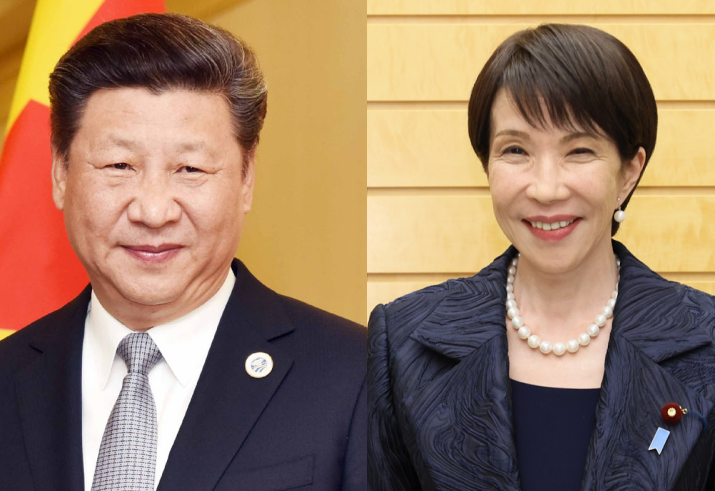
Media coverage patterns in both Japan and China play crucial roles in shaping public understanding of the current crisis, with different narrative emphases and framing creating divergent perceptions of causes, responsibilities, and appropriate responses. Japanese media coverage tends to emphasize Chinese economic coercion and threats, while Chinese media focuses on Japanese violations of agreements and provocative statements about Taiwan, creating information environments where publics in each country understand the crisis through different and often incompatible frameworks.
The divergent media narratives complicate crisis resolution by creating domestic political environments where compromise appears as weakness or betrayal rather than reasonable diplomatic accommodation. Japanese media emphasis on Chinese economic pressure—travel advisories threatening $11.5 billion in tourism losses from over 8 million visitors representing 23% of all arrivals, cultural restrictions, and trade threats—frames the crisis as Chinese aggression requiring firm responses. Prime Minister Sanae Takaichi cannot easily compromise when media coverage has emphasized Chinese coercion as the central problem.
Similarly, Chinese media emphasis on Japanese violations of the “One China” principle and provocative military discussions creates domestic expectations that Beijing will extract clear Japanese commitments and policy reversals. Chinese leaders face domestic audiences whose understanding of the crisis, shaped by media coverage emphasizing Japanese provocations, creates pressure for firm responses that may be incompatible with compromise solutions that would preserve Japanese diplomatic dignity while addressing Chinese concerns.
Social media amplifies and accelerates these divergent narrative dynamics, creating echo chambers where each country’s publics reinforce their own interpretations while having limited exposure to alternative framings. Japanese social media users share content emphasizing Chinese economic coercion, while Chinese social media circulates content about Japanese military provocations, with minimal cross-pollination that might create more nuanced understanding recognizing legitimate concerns and constraints on both sides.
The media coverage patterns create information asymmetries where each country’s decision-makers may underestimate the domestic political constraints facing their counterparts. Japanese policymakers may not fully appreciate how Chinese media framing creates domestic expectations that limit Beijing’s flexibility, while Chinese officials may underestimate how Japanese media coverage of economic coercion strengthens domestic support for security-focused policies that Beijing opposes. International relations expert Sheila A. Smith notes domestic political constraints make compromise difficult, while Professor Liu Jiangyong indicates countermeasures will be rolled out gradually, but both dynamics are amplified by media coverage that shapes public understanding in ways that harden positions and reduce perceived options for compromise. Small businesses like Rie Takeda’s tearoom experiencing mass cancellations are casualties of media-shaped political environments where publics in both countries understand the crisis through incompatible narratives that make diplomatic resolution appear as capitulation rather than reasonable accommodation of legitimate concerns on both sides.