
Your gut is home to trillions of microorganisms that play a critical role in digestion, immunity, and overall health. Keeping this inner ecosystem healthy requires the right food — and seeds are among the most potent sources of the fibre and fats that gut bacteria need to thrive.
Three seeds have been singled out by a gut health specialist for their exceptional ability to nourish and support this inner ecosystem: chia seeds, flaxseeds, and basil seeds. Together they provide a comprehensive range of gut-supporting nutrients that few other foods can match.
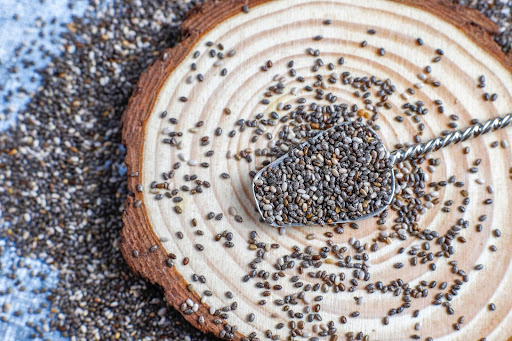
Chia seeds are particularly valuable for the microbiome because their soluble fibre is a preferred food source for beneficial gut bacteria. When chia seeds are soaked and consumed, their gel-like fibre travels through the intestines, feeding good bacteria and creating an environment that’s inhospitable to harmful ones. One to two tablespoons soaked in almond milk or yoghurt overnight is the recommended daily serving.
Flaxseeds contribute to gut ecosystem health through their anti-inflammatory omega-3 fatty acids. Inflammation disrupts the balance of the microbiome and damages the gut lining, so reducing it through dietary omega-3s is valuable. Ground flaxseeds in oatmeal or smoothies, used regularly throughout the week, can help maintain a calm, balanced gut environment.
Basil seeds, or sabja seeds, provide another source of soluble fibre that feeds the microbiome and promotes smooth digestion. Their use in Ayurvedic medicine for digestive support is centuries old, and modern research continues to confirm their effectiveness. Combined with chia seeds in a morning bowl or plant-based drink, they create a comprehensive microbiome-supporting meal.