
Technical discussions between the United States and Iran are reportedly ongoing, with Qatar facilitating indirect communication despite a lack of clarity about official negotiations taking place in Doha. These talks aim to decrease regional conflict and tackle various issues, including the handling of Iran’s frozen assets and maritime security concerns. However, Iran has stated that no direct meetings with U.S. officials are currently scheduled, with the discussions being mediated by Qatar instead.
The presence of U.S. envoys Steve Witkoff and Jared Kushner in Doha underscores the broader regional dialogue efforts. Qatar has confirmed that the transfer of billions of dollars in frozen Iranian funds has not yet been completed. Conflicting statements from Washington and Tehran have contributed to the uncertainty surrounding the status of these negotiations.
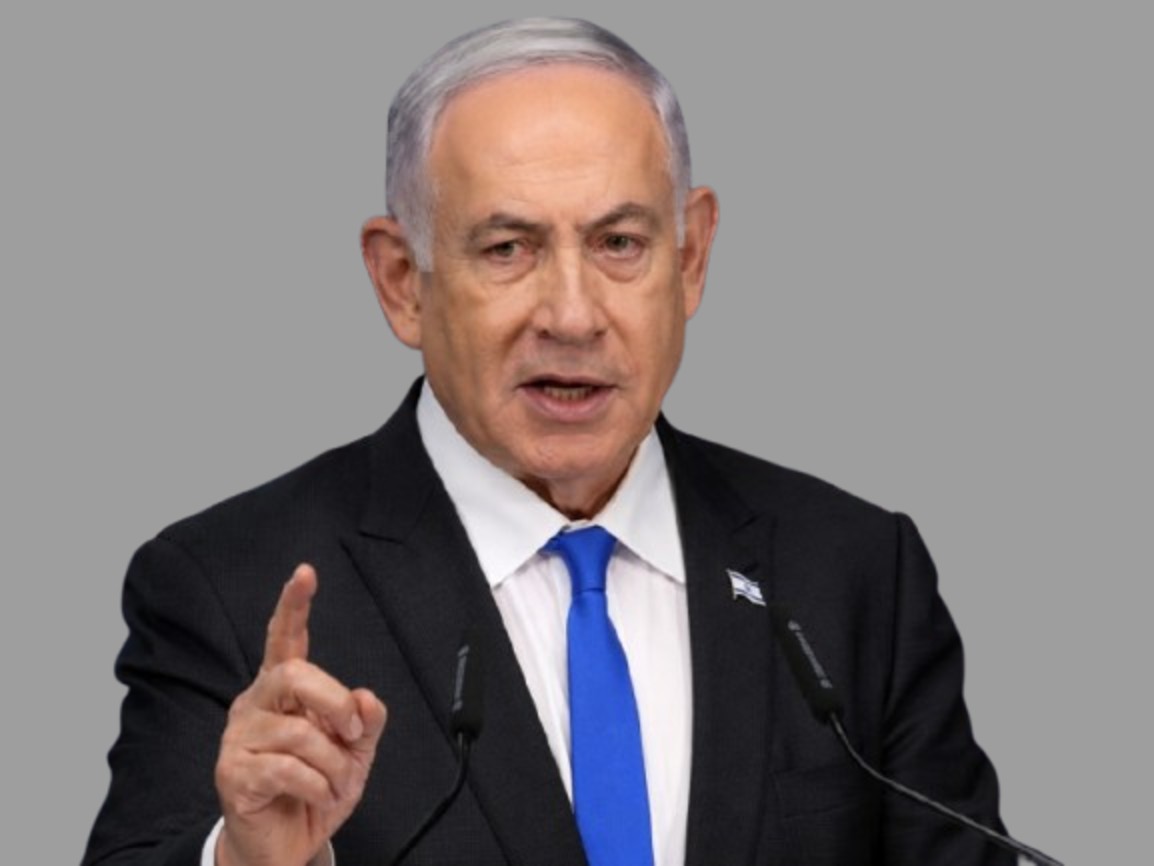
Meanwhile, regional tensions have escalated following Israeli Prime Minister Benjamin Netanyahu’s recent visit to southern Lebanon. Netanyahu declared that Israeli forces would remain in the area until Hezbollah no longer posed a threat. This visit coincided with a U.S.-brokered security agreement involving both Israel and Lebanon, adding another layer of complexity to the ongoing diplomatic efforts.
The Strait of Hormuz remains a focal point of contention in U.S.–Iran relations. The region has witnessed exchanges of accusations over military strikes and disputes concerning maritime control. As a vital corridor for global energy transportation, the Strait continues to influence diplomatic discussions and strategies.
Oil markets have shown a cautious response, with prices experiencing fluctuations as investors closely observe the developments in Doha. The outcome of these diplomatic efforts will determine whether the situation stabilizes or further exacerbates regional instability.