
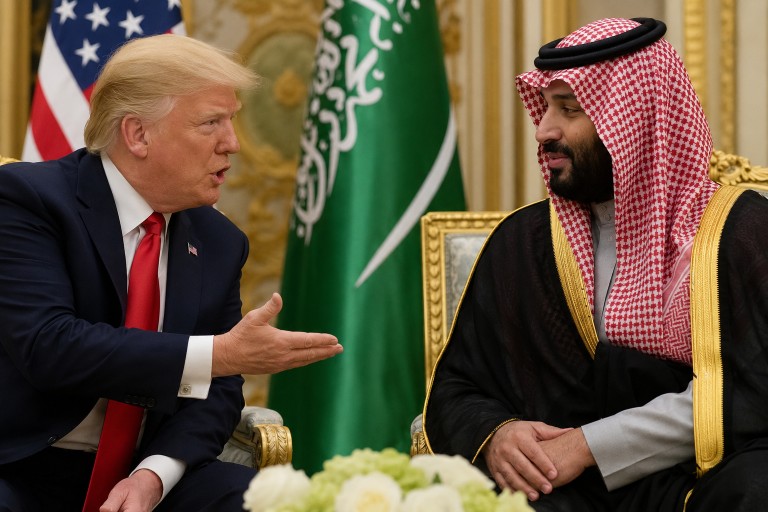
The United States has taken a significant step in bolstering its energy and strategic relations with Saudi Arabia by signing a landmark civil nuclear cooperation agreement. This pivotal deal was inked by US Energy Secretary Chris Wright and Saudi Energy Minister Prince Abdulaziz bin Salman. It sets forth a framework for peaceful nuclear cooperation and includes a bilateral safeguards agreement. Although the full terms of the agreement remain undisclosed, it opens the door for Saudi Arabia to potentially develop domestic uranium enrichment capabilities, contingent on further approvals and oversight.
The agreement is now on its way to the US Congress for review, where it will undergo scrutiny for its nonproliferation safeguards and monitoring provisions. The civil nuclear partnership has been a topic of discussion for several years, with proponents arguing that it will enhance American nuclear technology exports, create job opportunities, bolster energy security, and solidify long-term strategic cooperation between Washington and Riyadh. Meanwhile, Saudi Arabia has consistently expressed its intention to diversify its energy portfolio by integrating nuclear power with renewable energy sources.
Should the agreement with the United States have faltered, Saudi Arabia had indicated its willingness to seek nuclear technology partnerships with other nations. The current US administration has underscored that the agreement aligns with international nuclear safety and nonproliferation standards, while also maintaining American leadership in the global civilian nuclear energy sector.
Nevertheless, the announcement has not been without its critics. Some lawmakers and nonproliferation experts have voiced concerns regarding the potential for future uranium enrichment activities in Saudi Arabia and emphasized the necessity for stringent international oversight. These concerns highlight the delicate balance between fostering international cooperation and ensuring robust safeguards against nuclear proliferation.